


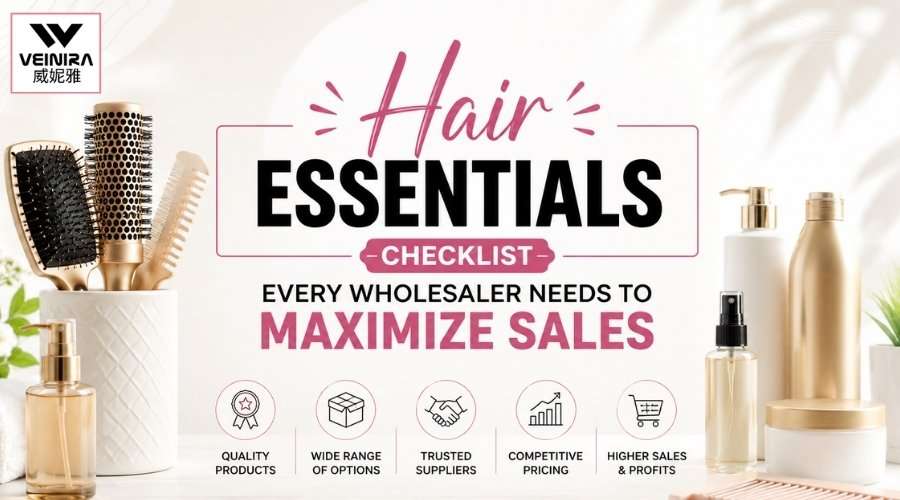
Hair Essentials Checklist Every Wholesaler Needs to Maximize Sales
The hair market is booming. Stylists, beauty parlors, and shops are all looking for wholesale. If you are a hair professional, you know the importance of having products. But it is not just any product. It's having products when you need them. An inventory management checklist is important. It helps you stay organized. It satisfies your customers. And it helps you sell more without the guesswork. This blog explains what to carry and how to build your wholesale hair business.
Start with the Basics: Hair Care Products
The first products any wholesaler should carry are basic hair-care items. These products are used weekly by every salon and stylist. If you're out of these, you lose business.
• It is important always to keep shampoos and conditioners in stock. Stock in these variants: dry hair, damaged hair, and color-treated hair. Customers want options. The greater the choice, the better the chances of returning customers.
• Deep conditioners and hair masks are also necessary. Stylists commonly use them. They are sold in large quantities in salons. Keep a stock of all types of famous and cost-effective brands.
• Don't forget hair serums and heat protectants. These are small products but best-sellers. Many buyers add them to their regular orders.
Request a Free Quote & Source High-Quality Products
Styling Products You Should Never Miss
Wholesalers carry a range of styling products. Salons use up these products very quickly.
• Stock hair gels, mousses, and pomades. Make sure you have strong-hold and light-hold versions of each. Different clients need different results. Make sure you have sprays too: light hold, strong, and shine.
• Smoothing creams and edge control are hot right now. These are increasing in popularity. And if you're not selling them, you could be missing out.
• Curl creams and defining gels are also important, particularly in the world of natural hair care. This category is expanding each year.
What Tools Should Be on Your Checklist?
Many new wholesalers fail to notice, but tools are a regular business. Stylists and salons constantly need to replace them. Keep a great selection of combs and brushes. Salons use wide-tooth combs on a daily basis, paddle brushes, round brushes, and detangling brushes. Maintain a regular stock of all of them. Pins, hair ties, and clips might not look expensive; however, they are sold in far greater numbers than you might imagine. These are repeat purchases. Salons will return to purchase again. Flat irons, curling wands, and blow dryers will cost more, but most people seek wholesale prices for these. When you can provide good brands at competitive prices, then this can be a solid component of your business.
Hair Extensions and Wigs: A Growing Market
There is an enormous market for wigs and hair extensions. Wholesalers sell a lot of this type of product.
Raw and Virgin Hair
Raw and virgin hair is very popular. Buyers want human hair that has not been chemically processed. They are Brazilian, Peruvian, Indian, and Malaysian hair, all in high demand.
Clip-in extensions and tape-in extensions
Clip-in extensions come in handy when a customer desires to be able to add volume or length at home. In salons, tape-in extensions are popular. Both are strong sellers. Keep different lengths and color shades available.
Wigs and Lace Fronts
Lace front wigs are in high demand. Full lace wigs also do well in sales. Synthetics are less expensive and appeal to value customers. Human hair wigs attract high-end buyers. Having both helps you reach more customers.
Read this blog Herbal vs Chemical Black Hair Shampoo: Market Demand Insights for Distributors
Color Products Are a Must-Have
Salon services revolve around hair color. If your clients are professionals, they regularly need salon products. Have high-quality hair dye on hand in a variety of colors. Keep the traditional black, brown, and blondes. But also, fashion colors, reds, blues, purples, and pastels. These are very popular right now.
Bleach kits and developer are also needed. Hairstylists use them to lighten and make color corrections. Toners and glosses are also big sellers. Salons use them to finish services. Remember ammonia-free products. Today's customers may prefer milder options. This sets you apart from competitors.
Why is Packaging Important to Wholesalers?
The purchase decision is influenced more by how packaging is created than several wholesalers might think. As people view products in a salon, they would think about how the package appears on their shelves and how secure it is during shipping. Good packaging creates awareness and presents your products in a better light. Always verify that the products that you are keeping have clean, secure, and attractive packaging.
Scalp Care: Don't Miss the Opportunity
Scalp care is a new trend in hair care. Consumers are more focused on scalp care. So salons have more scalp products on the menu. Include scalp scrubs, scalp serums, and anti-dandruff to your checklist. These are not merely a trend, but are becoming a common product in most salons.
Scalp massagers are also a small, popular product. They are inexpensive and convenient to order. Customers add them to their order as a convenience if they're offered.
Professional Salon Supplies to Include
Salons require professional supplies in addition to hair products. When you can provide these, you become a one-stop shop for your clients. Stock salon capes and towels. They do not last long and require frequent changing. Color services also use foils and color bowls daily. Another fast-moving product is gloves. Salons are known to use boxes of gloves frequently. Neck strips and ear covers are not big, but they are necessary. When you have them in stock, the buyers like the convenience. Sanitation supplies such as brushes, cleaners, and tool disinfectants are moving on the list too, as cleanliness started playing a larger role in the salons all over.
Does Your Inventory System Help You Sell More?
A bad inventory system will silently eat up your sales. Without knowing what is going on with the stock, you will lose such reorders and leave customers waiting. Adopt an easy-to-use inventory system that displays your stock effectively and alerts you when popular items are out of stock. One of the simplest ways to stay in business with customers is to manage inventory well.
Monitor Trends
The hair industry is dynamic. New products are released. New trends take off. You must keep in front of this.
Follow What Stylists Are Talking About
This is best done with social media. See what hair influencers and stylists are using and promoting. When a product receives a lot of online attention, include it in your catalog.
Watch What Your Buyers Are Asking For
Your best source of trend information is your existing customers. Once two or more buyers request similar products, that is your indicator to stock them.
Check Your Sales Data Frequently
Check your sales each month. Look at the products that are dropping and those that are declining. This will help you make better purchasing decisions.
Wholesaler Pricing Policy
Pricing is a matter of concern. You must be competitive while protecting your margins.
• Offer tiered pricing. Buyers who purchase in large quantities should be offered a lower unit price. This promotes multiple orders and fosters loyalty.
• Be open when setting prices. Unseen costs and unclear price schemes drive consumers away. Ensure that clients can easily know what they pay and receive.
• Run special offers where you have the opportunity. Placing related products at a small discount increases order value. As an example, sell a shampoo, conditioner, and hair mask together at a lower price.
Form Good Relationships with your Buyers
Wholesale sales do not solely involve products. They deal with relationships. A customer who has confidence in you will remain a repeat customer. An untrusted buyer will swiftly seek another supplier. Speak clearly. Should you face a delay or a stock problem, notify your buyers immediately. Surprises damage trust.
Make frequent visits to your clients. Inquire about the sale of products. And inquire whether they require something they are not getting at the moment. This indicates that you are interested in their success, not necessarily in the transaction. Provide good after-sales services. When something is wrong with an order, get it resolved quickly. Your business is reflected in how you deal with issues.
How Can New Wholesalers Avoid Common Mistakes?
New wholesalers frequently have too many products in stock at once and are not aware of which products will sell. Begin with a targeted list of known sellers. First, know who you are targeting, and build out your catalog as you discover what is selling. It is far better to take your time and learn from your own data than to have too much stock in your warehouse that never moves.
Conclusion
Building a wholesale hair business also means understanding your customers deeply, not just fill your inventory with hair products. Salon owners, and distributors each have different needs, and knowing those needs helps you offer the right mix of textures, lengths, and price points. Reliable suppliers matter just as much, since consistent quality builds trust and keeps buyers coming back. Marketing plays a role too; showcasing your range through clear photos, honest descriptions, and quick communication makes a real difference in a competitive market.
Flexibility is another key factor, since trends in hair type, color, and styling shift often, and wholesalers who adjust their stock quickly stay ahead of competitors. Good record keeping, timely delivery, and fair pricing round out the foundation. Wholesalers who combine all these pieces build lasting relationships and steady growth instead of one-time sales.
Frequently Asked Question (FAQ's)
What should be included in a hair wholesaler's essentials checklist?
A solid checklist covers quality raw materials, varied textures and lengths, reliable packaging, accurate labeling, competitive pricing, and dependable supplier relationships. Together these elements help wholesalers meet buyer expectations and maintain consistent sales performance.
How can a wholesaler maximize sales using this checklist?
By following the checklist closely, wholesalers can avoid stock gaps, offer in-demand products, and respond quickly to customer needs. This preparation builds trust with buyers and creates steady, repeatable sales growth over time.
Why is product variety important for hair wholesalers?
Buyers expect different hair types, colors, and lengths to serve diverse customers. Offering variety helps wholesalers attract more retailers and salons, reduces missed opportunities, and strengthens their position against competitors in the market.
How often should a wholesaler update their essentials checklist?
Market trends and customer preferences shift regularly, so reviewing the checklist every few months keeps inventory relevant. Regular updates help wholesalers stay ahead of demand shifts and avoid holding outdated or slow-moving stock.
Featured Articles
Billions of dollars are spent on
READ FULL